Every era of Indian advertising has a texture. The 90s had wet paint. The 2000s had FLEX. Today has pixels.
Every era of Indian advertising has a texture. The 90s had wet paint. The 2000s had FLEX. Today has pixels.
The hand-painted era: when promotion was a craft
Before printers and screens, promotion was drawn by hand, line by line, wall by wall.
Artists mixed their own paint to get colours that would survive sun and rain. A single shop signboard or movie poster could take hours, sometimes days. This wasn't decoration. It was a livelihood, and the artist's skill decided whether a shop, hospital or cinema caught the public eye.
Through the 90s, this was the visual language of Indian streets: shopfronts, hoardings and movie posters, each one a small, handmade performance aimed at pulling in an audience.
The print era: FLEX and poster machines take over
What replaced hand-painted billboards in India? FLEX printing and poster machines, starting around the mid-2000s, turned days of manual work into hours of machine output.
Colour that once took an artist's hand to mix became pixels: sharp, repeatable and fast. The artist's role shifted from painting the wall to designing what would go on it. Print became the main format for shop signage, mall pamphlets and outdoor billboards, and it stayed dominant for over a decade.
The digital era: displays that update by the minute
Now promotion is moving again, from print to pixels that move.
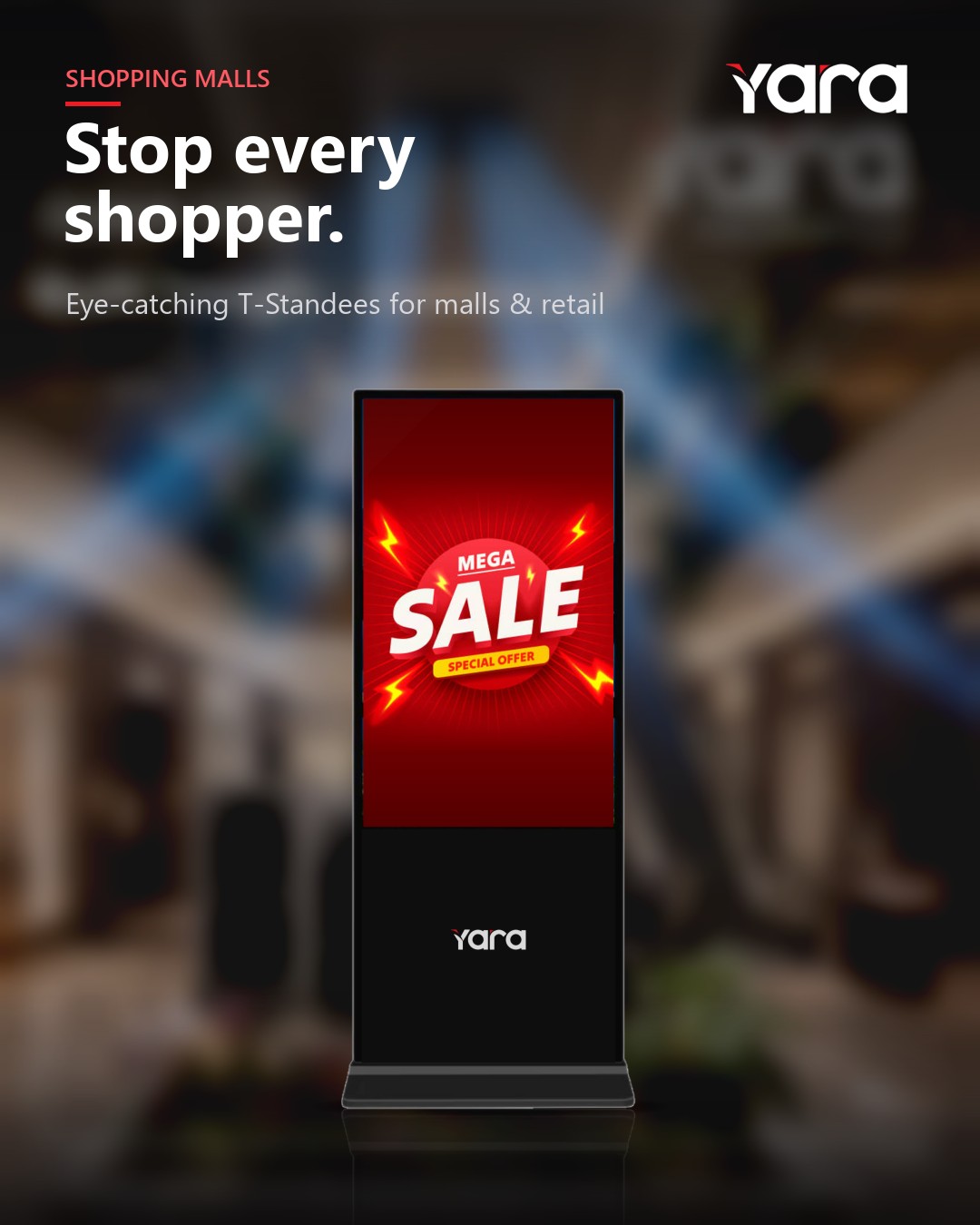
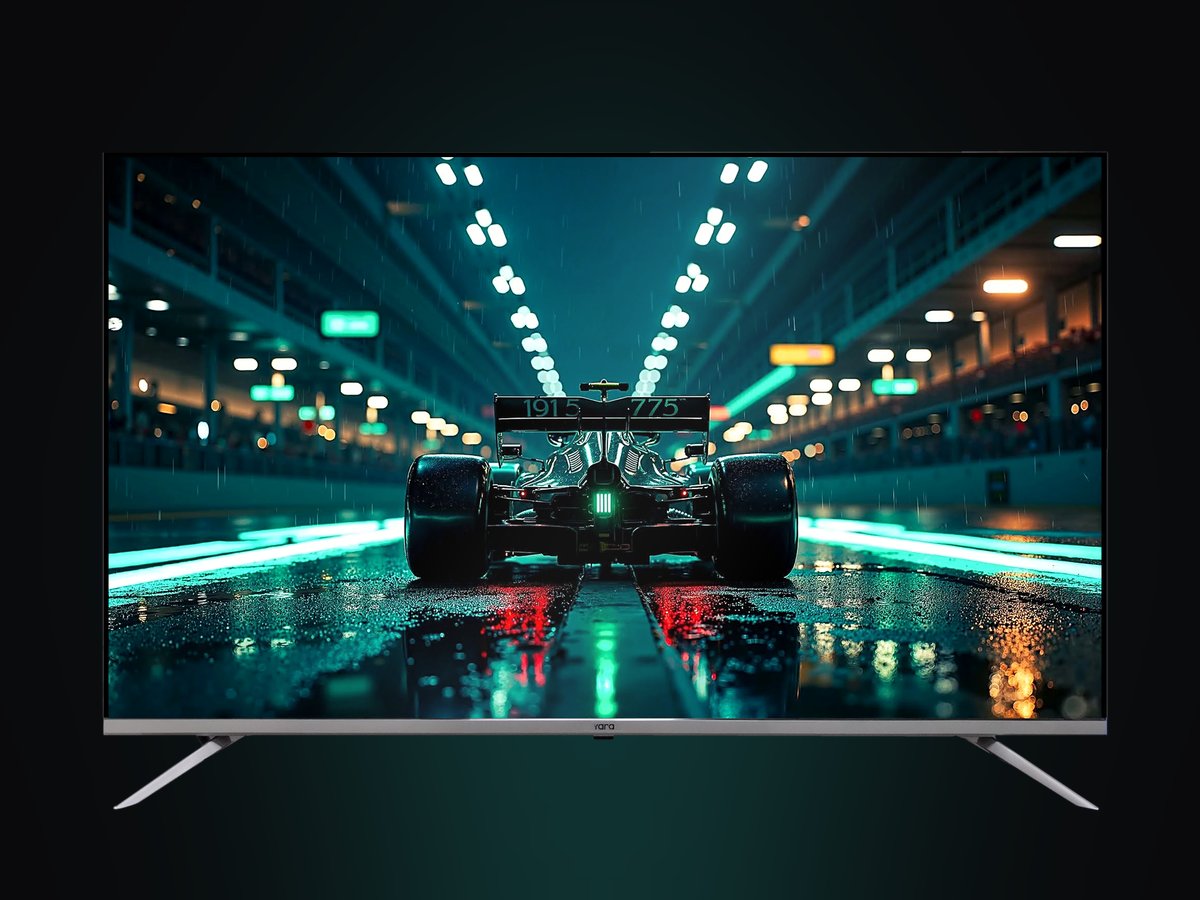
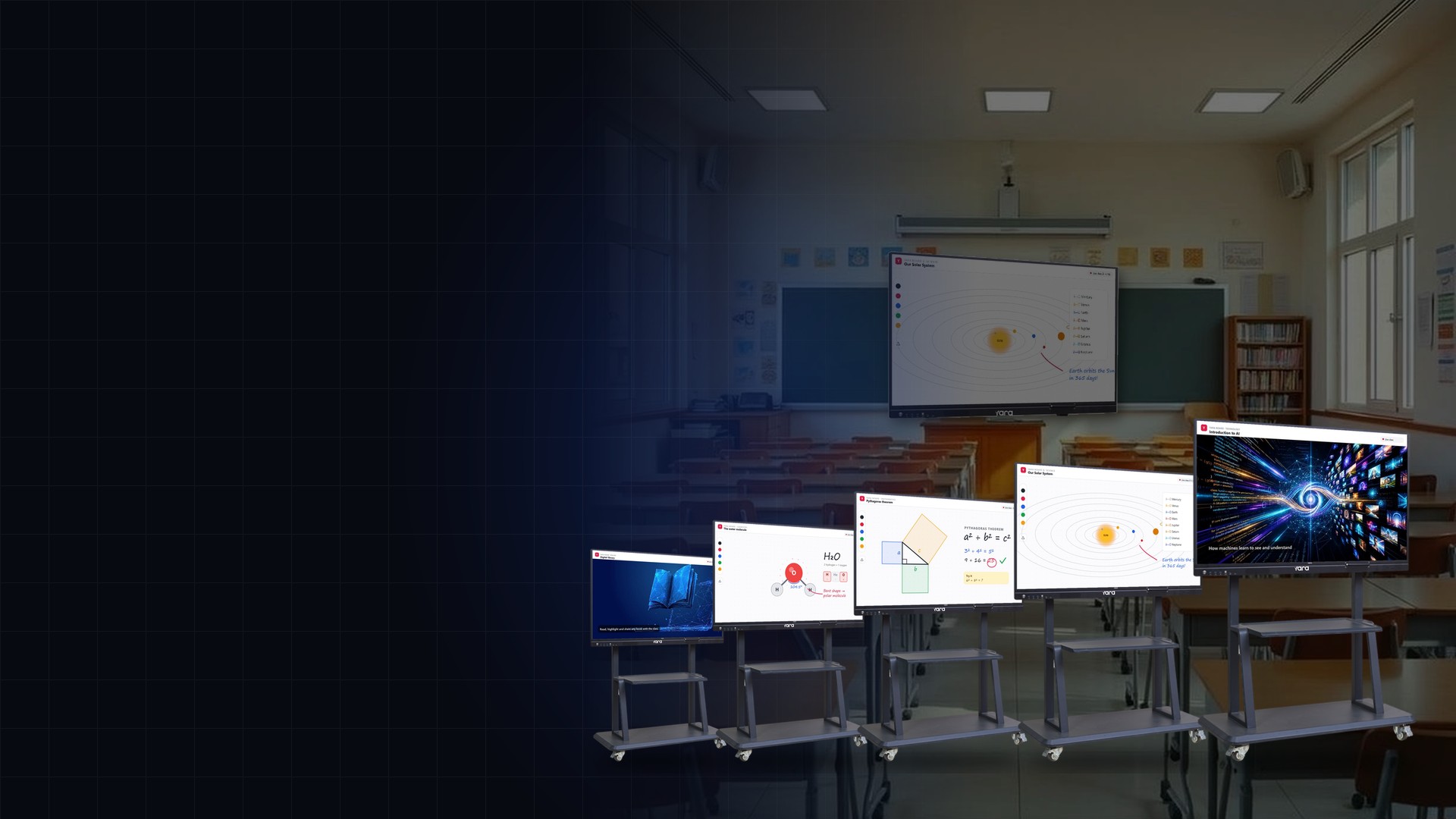
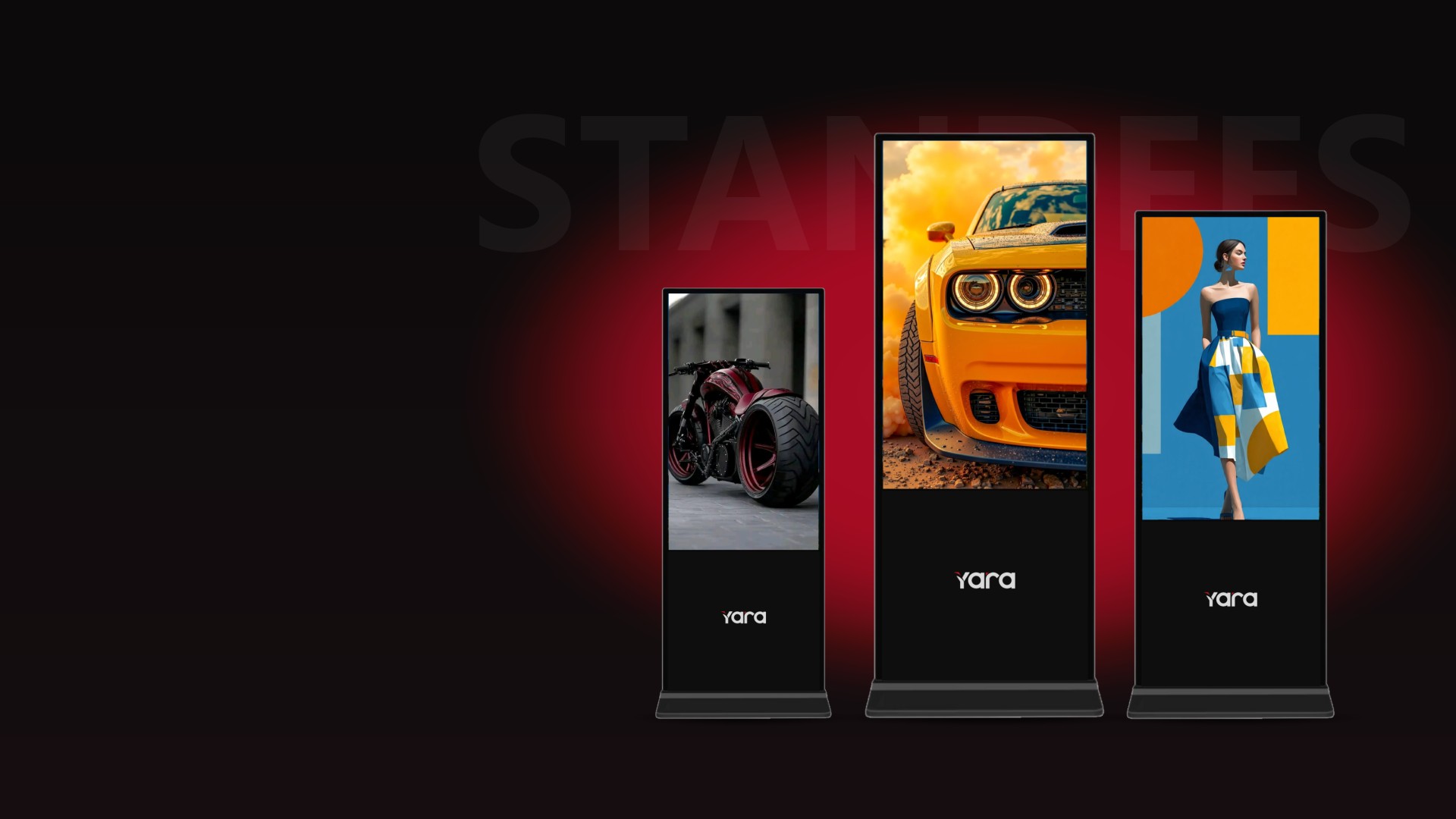
Digital standees, kiosks, interactive flat panels and LED video walls are replacing static print in malls, hospitals, showrooms and retail storefronts. A message that once took a week to paint, or a day to print, can now be updated in seconds from a single screen, without reprinting anything.
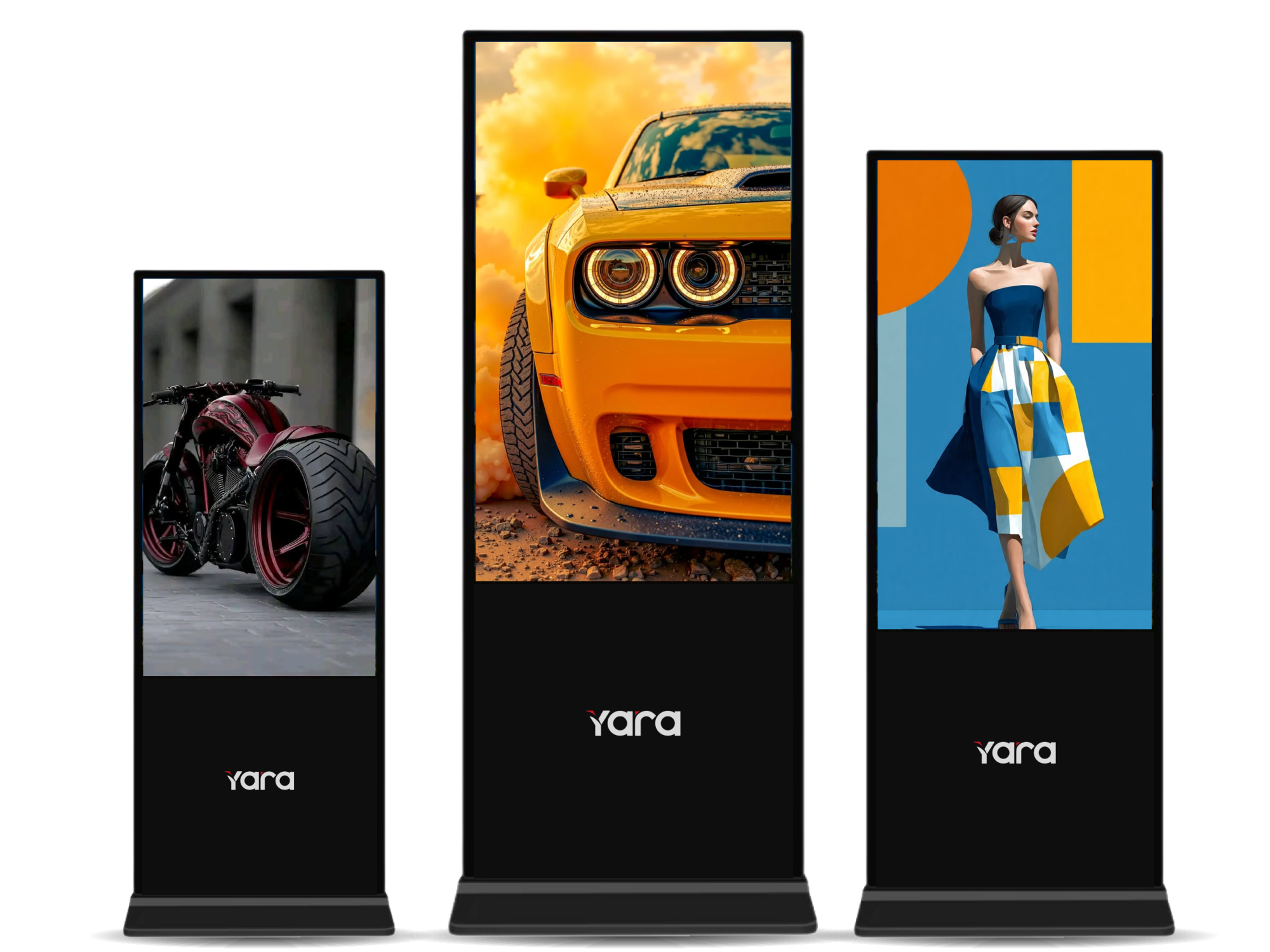
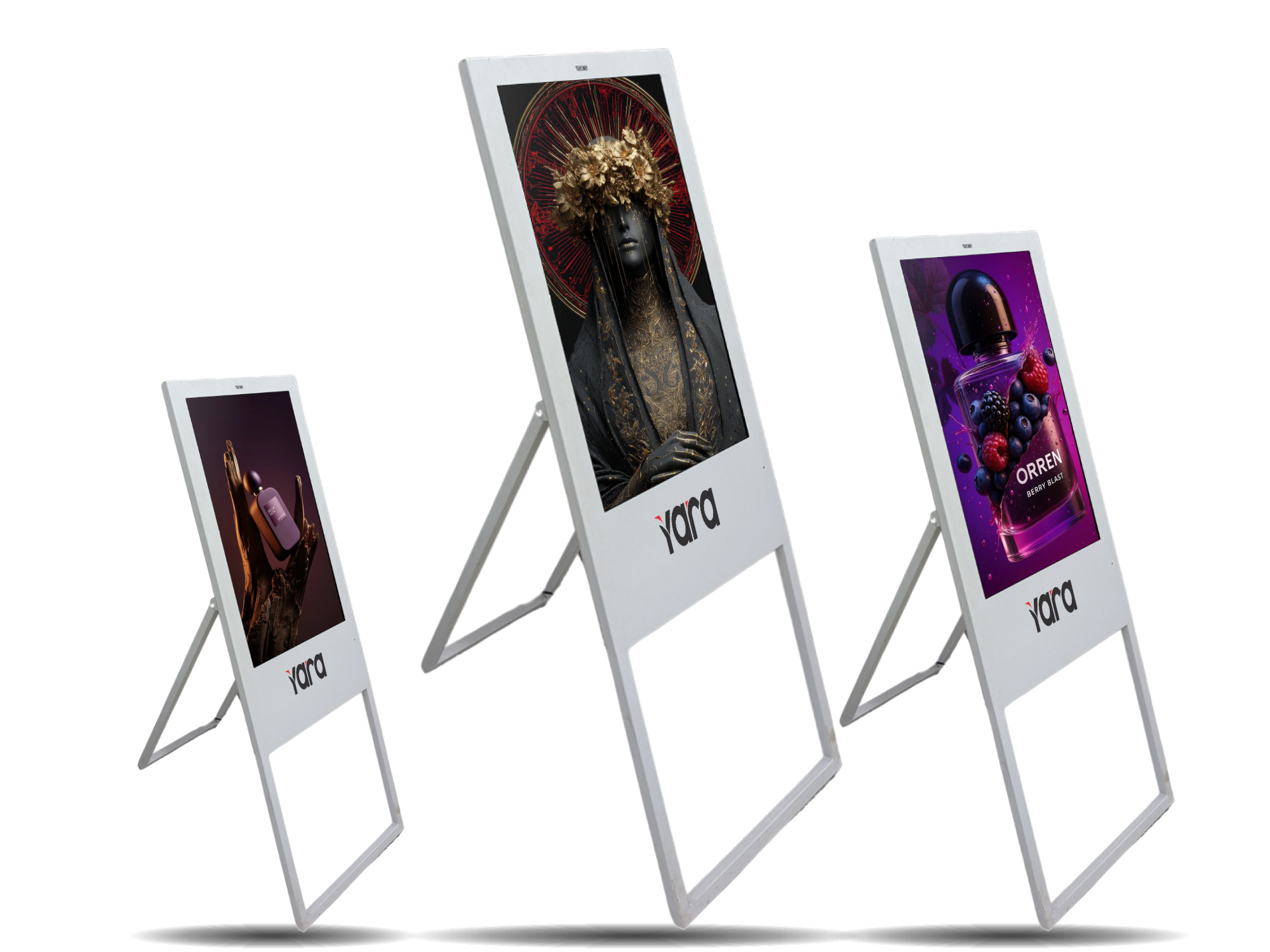
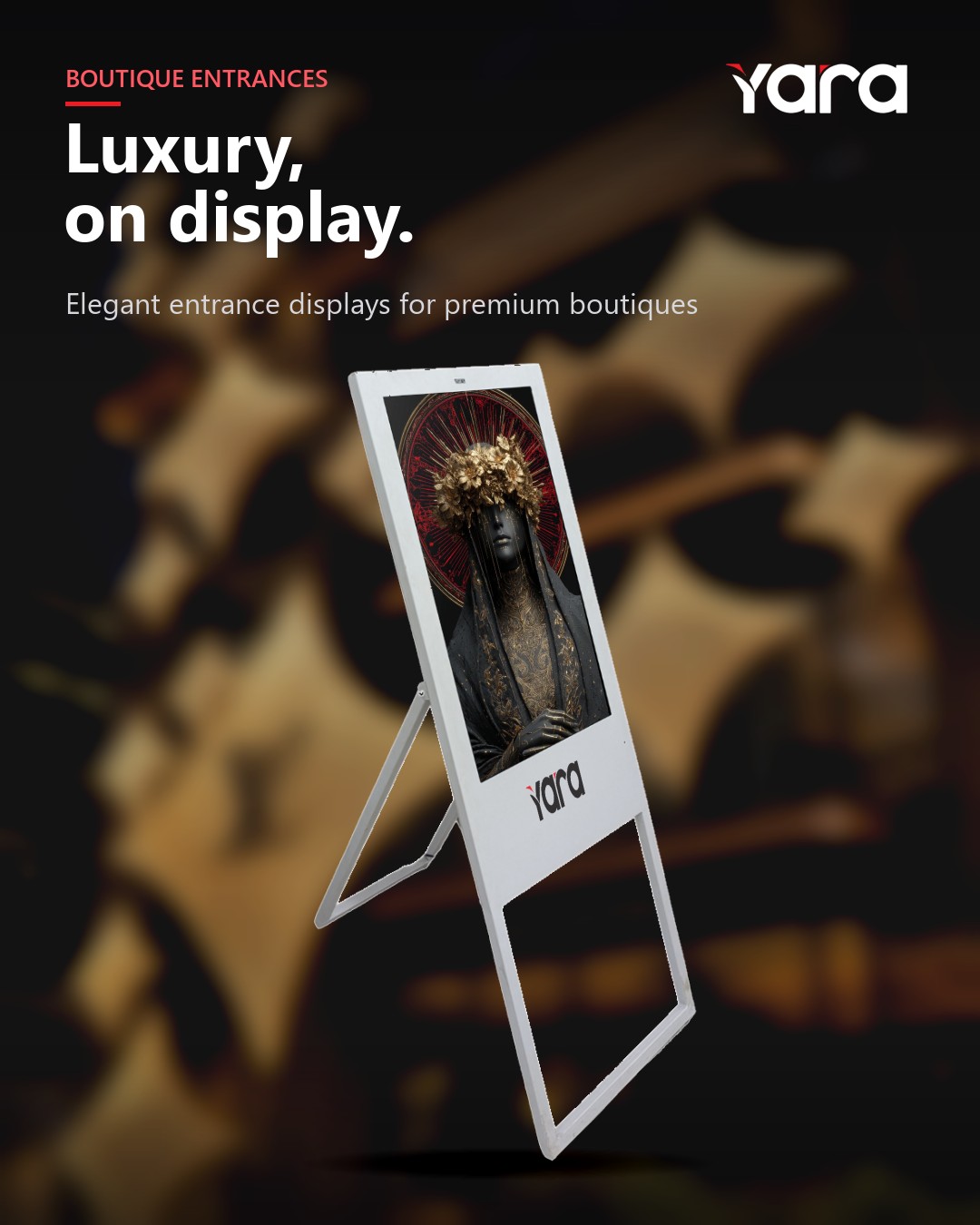
This is where products like Yara's T-Standees, A-Standees and interactive panels fit in: not as a replacement for the artist's instinct, but as its modern tool. The goal hasn't changed: make it clear, make it neat, make people stop and look. Only the medium has.
Why this shift matters for your business
- Speed: change your offer, price or message instantly. No reprinting, no waiting.
- Cost over time: one digital standee replaces dozens of printed posters across a year.
- Consistency: private-label manufacturing means every panel meets the same quality and colour standard.
- Local support: Coimbatore-engineered displays, installed and serviced through a partner-technician network across India.
Frequently asked questions
What replaced hand-painted billboards in India?
FLEX printing in the mid-2000s, followed by digital displays like standees, kiosks and interactive flat panels from the 2020s onward.
Are digital standees replacing printed posters completely?
Not completely, but they're becoming the default for malls, hospitals and retail spaces that need to update their messaging often.
Is a digital standee cost-effective for a small shop?
Yes, over time. One display replaces repeated printing costs and can be updated instantly for new offers or seasons.
Interested in our display solutions?
Book a free demo and see them in action.