Black-and-white Doordarshan in 1959, colour for the 1982 Asian Games, the LED shift of 2009 and today's 4K Google TVs: four turning points that changed how India watches.
Quick answer: Television in India has moved through four real turning points: black-and-white Doordarshan broadcasts from 1959, colour TV's arrival in 1982 for the Asian Games, the LCD-to-LED shift in the late 2000s, and today's Smart and 4K TVs built for streaming and OTT. Each shift changed not just the screen, but how Indian households actually watched. Yara Electronics' 4K Smart LED TVs and Google TVs are built for this current chapter.
Think about what's playing on a television today, in any home, at any given hour. A news channel in one tab, a web series queued up for later, someone's phone mirrored onto the big screen to show a reel from this morning. It feels effortless now. It was not always this way.
Go back far enough, and television in an Indian home wasn't a given. It was an event.
When a TV was the whole neighbourhood's television
India's first television broadcast went out from Delhi in 1959, and for over two decades after that it stayed mostly what it started as: an educational tool for schools and farmers, broadcasting for a few hours a day, in black and white, reaching only a handful of cities.
Owning a TV set in the 1970s and early 80s meant something. It wasn't a household item, it was a status symbol. One set per street was common, and neighbours would gather in the one house lucky enough to have one, especially when something worth watching was on.
The real turning point came in 1982. India was preparing to host the Asian Games in Delhi, and the government decided to broadcast the games in colour, something Indian television had never done before. Doordarshan ran its first colour test transmission on 25 April 1982, with full colour broadcasts of the Asian Games following that November. Almost overnight, black-and-white sets started to feel old. Colour didn't just change what was on the screen, it changed how badly people wanted one.
The 1990s: when TV stopped belonging to one channel
For most of its first three decades, Indian television meant Doordarshan and nothing else. That changed through the 1990s, as economic liberalisation opened the door to private and satellite broadcasters. Channels like Zee TV, Sun TV and Asianet arrived alongside international names like CNN and STAR, and for the first time Indian viewers had something Doordarshan never offered them: a choice of what to watch.
This is also when many regional markets, including Tamil Nadu, saw their own entertainment ecosystems take shape, with local-language channels growing alongside national ones.
A local chapter: TVs for homes that didn't have one
Tamil Nadu has its own place in this story. In 2006 the state government launched a free colour TV scheme aimed at households that didn't already own one, distributing sets in phases over the following years.
Whatever the politics around it, the scheme reflects something real about this period: by the mid-2000s television had stopped being a luxury and become a basic household expectation, which pushed manufacturers to build cheaper, better and more efficient screens.
Flat, then bright: the LCD-to-LED shift
While much of the world had moved to flat-screen LCD TVs by the late 1990s, the technology reached the Indian market in the mid-2000s. LCDs were thinner, lighter and came in larger sizes than the boxy CRT sets they replaced, but they were only the warm-up act.
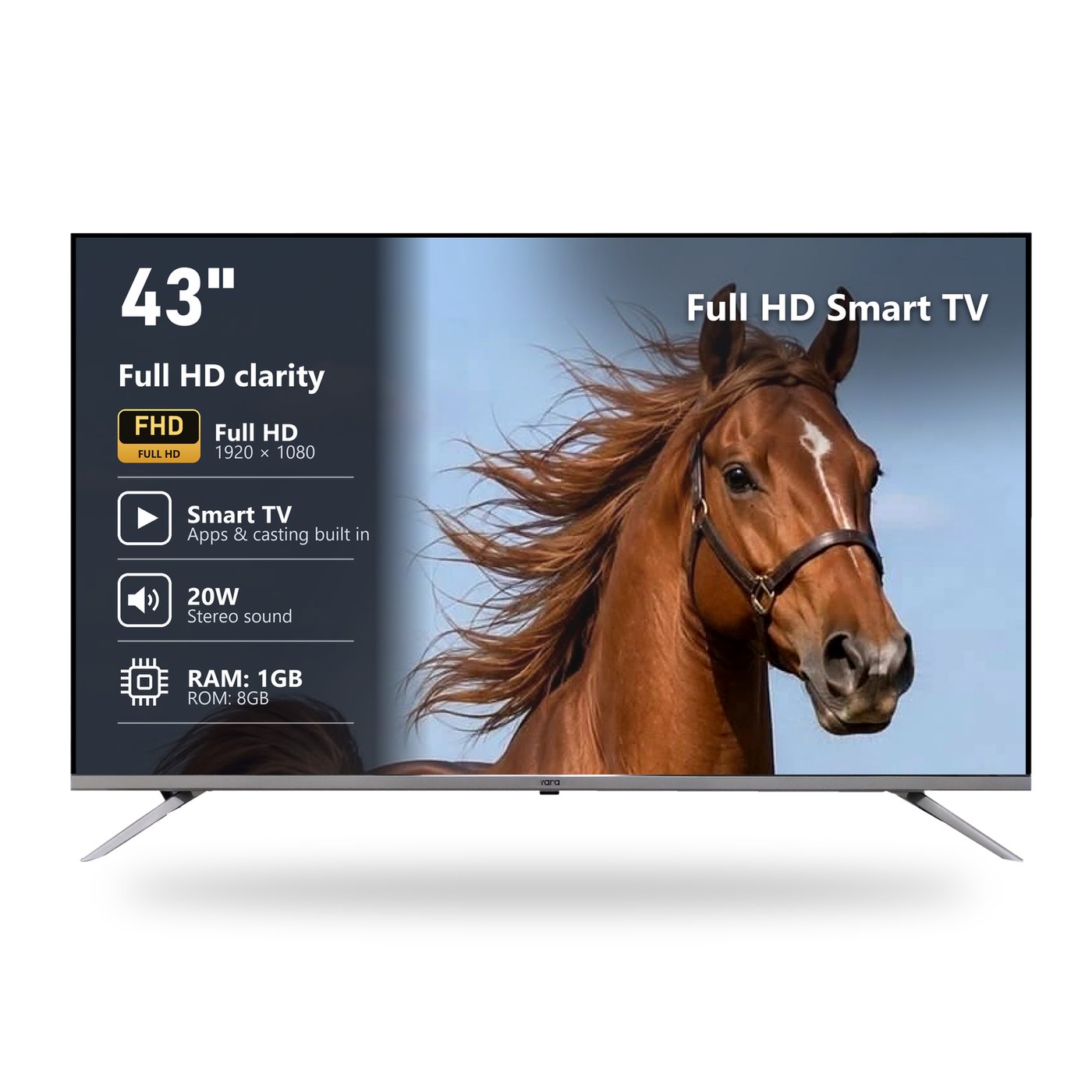
The real shift came in 2009, when LED-backlit TVs arrived in India: slimmer, sharper and more power-efficient. Over the next few years LED became the default, prices fell as brands competed, and 32-inch, 40-inch and eventually 55-inch screens became realistic for an ordinary household.
Smart TVs and the OTT generation
By the early 2010s the television had quietly turned into a connected device. Smart TVs brought the internet, app stores and eventually Netflix, Amazon Prime Video and a dozen other OTT platforms straight onto the living-room screen.
This is the chapter most of us are still living in. A television today isn't judged by whether it shows a clear picture, that's assumed. It's judged by how smoothly it switches between live news, a streaming show and a video pulled straight off someone's phone. The remote control has quietly become a search bar.
Where Yara fits into this story
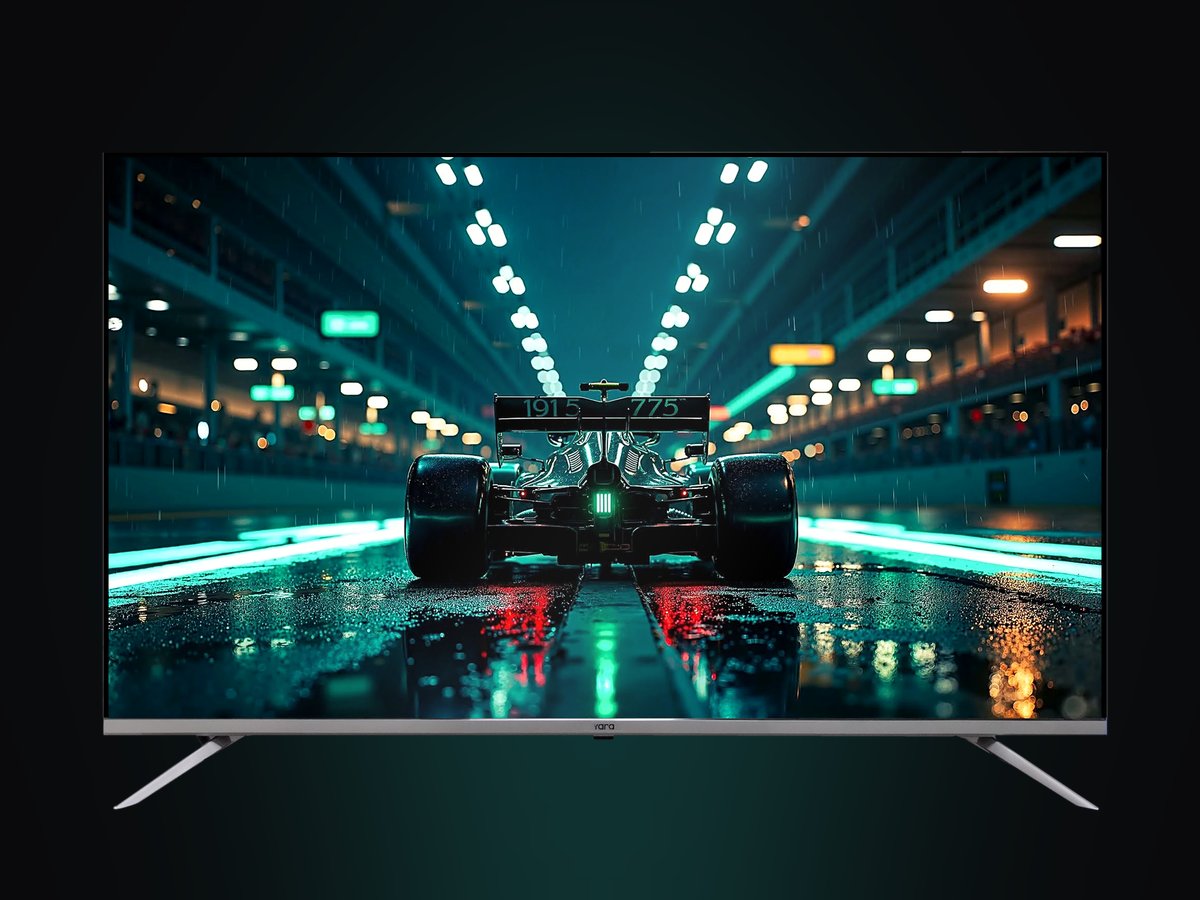
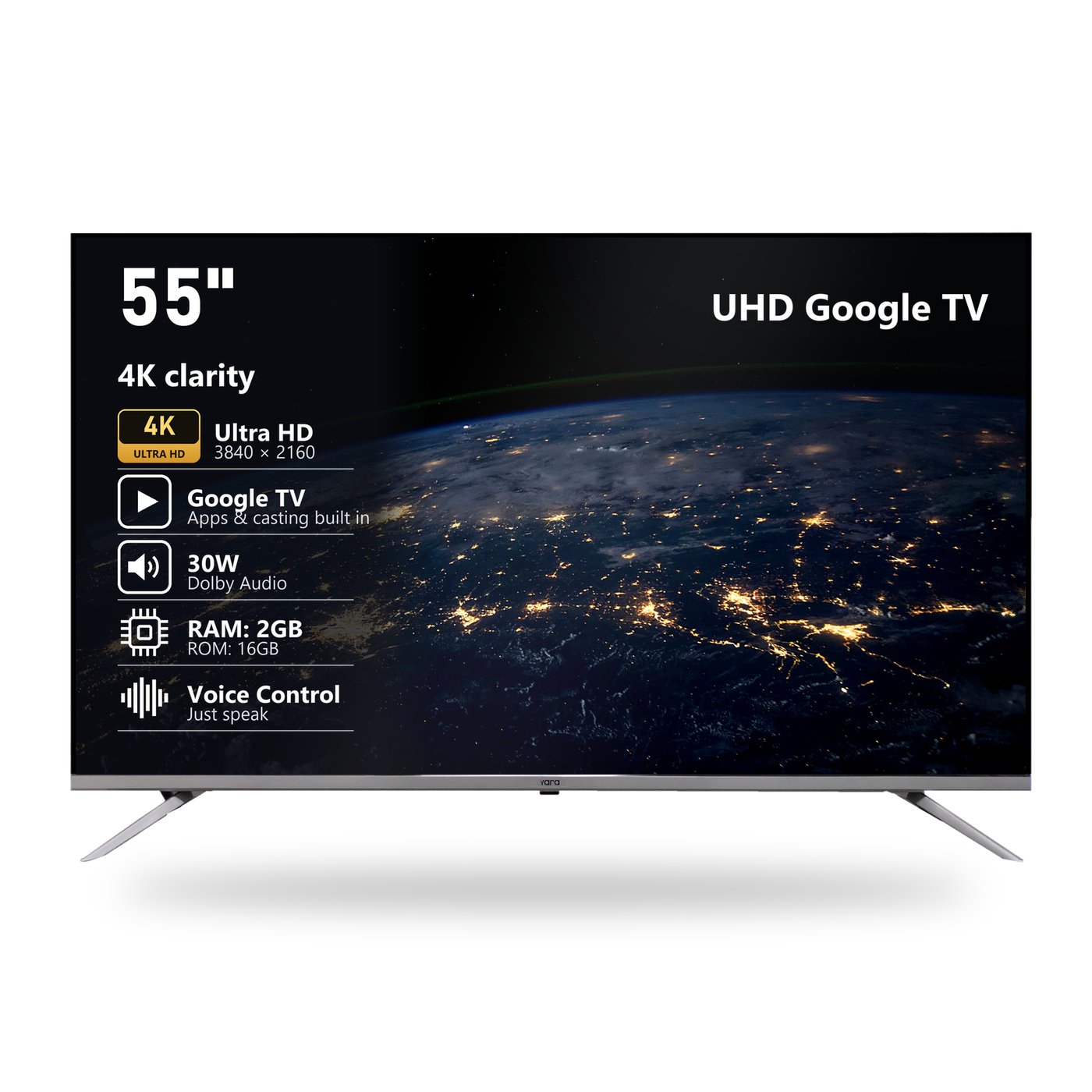
At Yara Electronics, our Smart LED TVs and 4K Google TVs are built for exactly this everyday reality: a household that moves between news, OTT and content from a phone, often within the same hour. Google TV brings a familiar, app-based interface and built-in Chromecast, so switching between live TV and a streaming platform doesn't need a second remote or a second device.
As a Coimbatore-based, India-focused private-label electronics maker, Yara designs and sells its own TVs directly, with after-sales support through our own partner-technician network rather than a chain of resellers. When a household needs help, there's a clear line back to the company that built the set.
The next chapter hasn't been written yet
Television in India has already reinvented itself four times: from an educational broadcast experiment, to a colour status symbol, to a flat LED screen, to a connected smart device. None of those shifts were really about the screen itself. Each one was about what people could finally do with it: watch together, watch more, and eventually watch whatever they wanted, whenever they wanted.
The next shift is already underway, on the same screen that's probably on in the next room right now.
Frequently asked questions
When did television first start in India?
India's first television broadcast began in Delhi in 1959, as an educational service for schools and farmers. It stayed limited to a few cities and a few broadcast hours a day for over two decades.
When did colour TV come to India?
Colour television arrived in 1982, timed to the Asian Games in Delhi. Doordarshan ran its first colour test broadcast in April 1982, with full colour coverage of the Games that November.
When were LED TVs introduced in India?
LED-backlit televisions reached the Indian market in 2009, offering slimmer designs and better energy efficiency than the LCD TVs before them, and quickly became the standard.
What is the difference between an LED TV and a Smart TV?
LED refers to the display technology: how the screen is lit and how the picture is produced. Smart refers to the software: whether the TV connects to the internet, runs apps and streams OTT platforms. Most TVs sold today, including Yara's range, are both.
Is a 4K Google TV worth buying for home use?
For households that regularly stream OTT content, yes. It combines a sharper picture with a familiar, app-based interface and built-in casting from a phone, without needing a separate streaming device.
Does Yara Electronics provide after-sales support for its TVs?
Yes. Yara supports its Smart LED TVs and Google TVs through its own partner-technician network for installation and after-sales service.
Interested in our display solutions?
Book a free demo and see them in action.